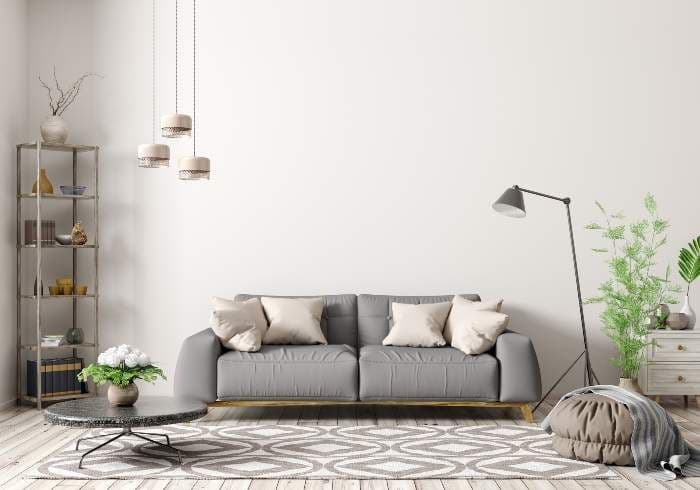
4 min read
Harmony in patterns: how to choose feng shui patterns for a harmonious home
Which patterns belong in the living room, bedroom, home office, bathroom and dining room, and why the same motif does not suit every room.
Approach
A feng shui consultation with me means measuring, calculating and writing. This page says how I read a space and what stays in your hands when I am done.
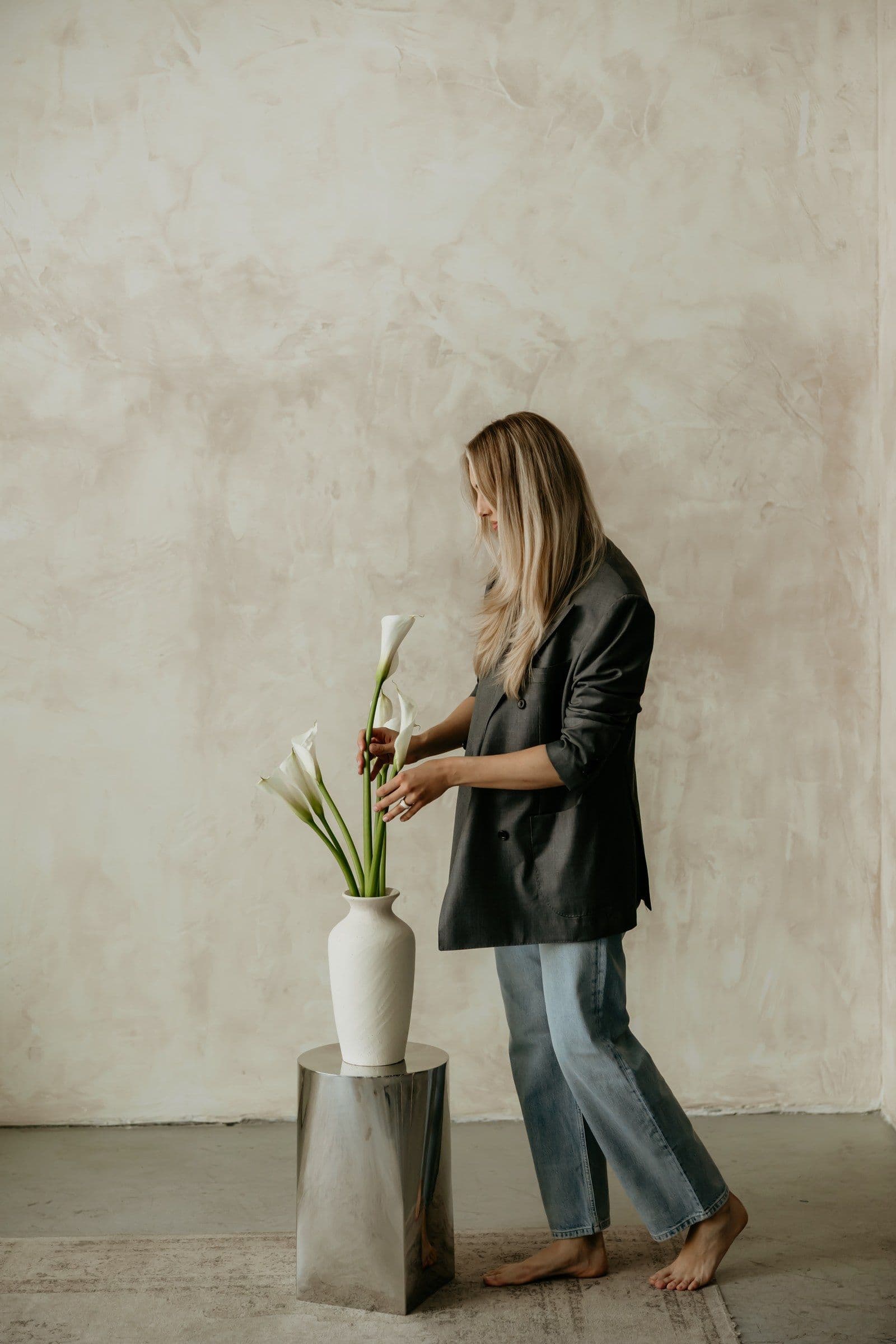
Feng shui is an old way of reading a space: how it stands towards the sun, the wind and the ground, and how people move inside it. What I use from it can be measured: orientation, proportion, light through the day, the path through a room and the place every piece of furniture takes.
I do not work with symbols. There are no figurines, no coins and no rules in my reports that need believing in to work. If I recommend something, I can tell you why in a sentence that holds without feng shui.
I use the five elements as a language for describing a space, not as a horoscope. Wood, fire, earth, metal and water describe shape, material and position, so a room can be talked about precisely: what there is too much of, what is missing and what that means for the person living in it.
Along with the space I calculate the elements of the people who live or work in it, because the same room does not suit everyone equally. That is why the report is written for your space and for you, not as a list of general rules.

The five elements
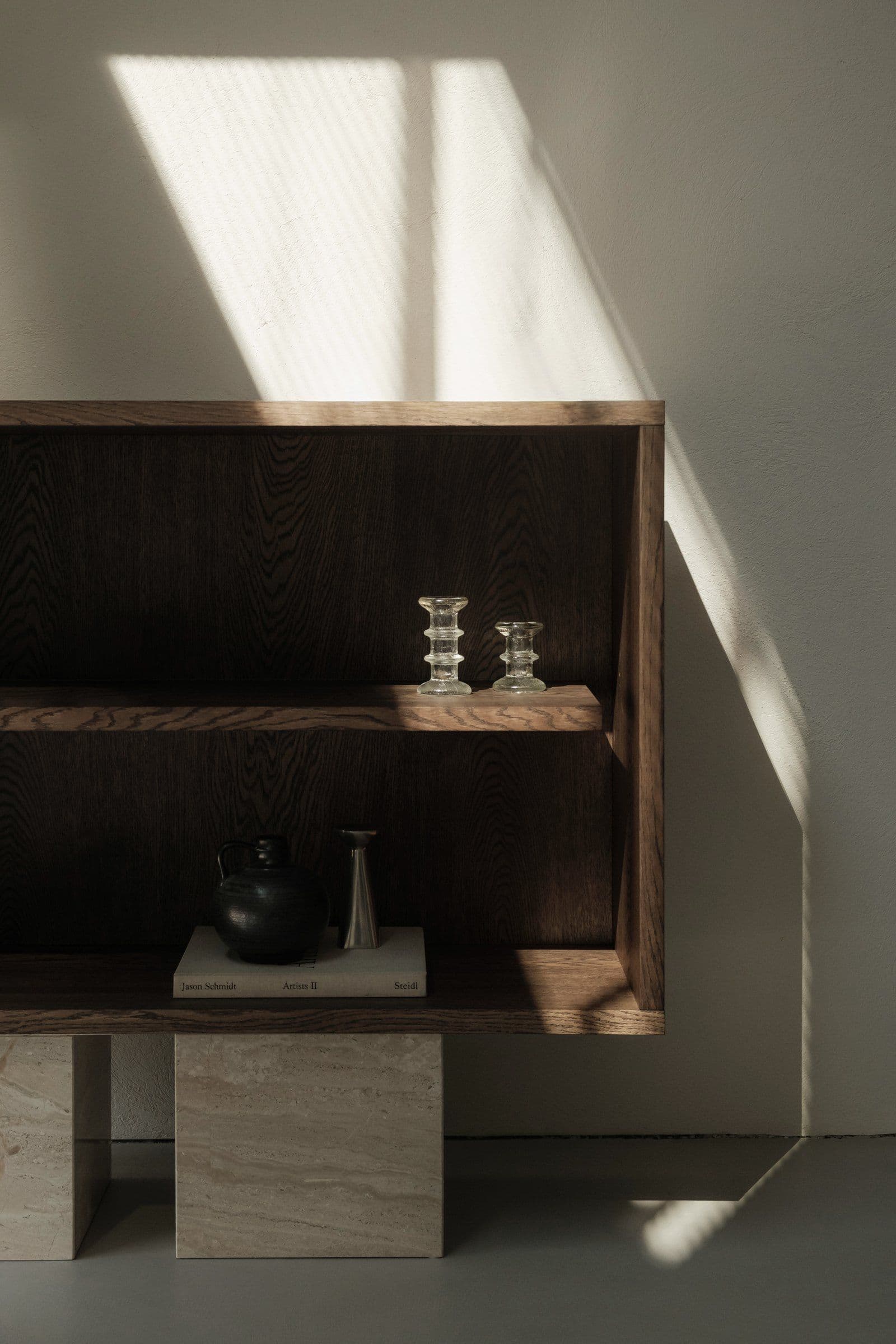
Wood is growth and the vertical: a tall plant, a wooden top, a shelf that lifts the eye.
Fire is light and the gaze: the lamp you switch on in the evening, a warm colour on one wall, the place where people sit facing each other.
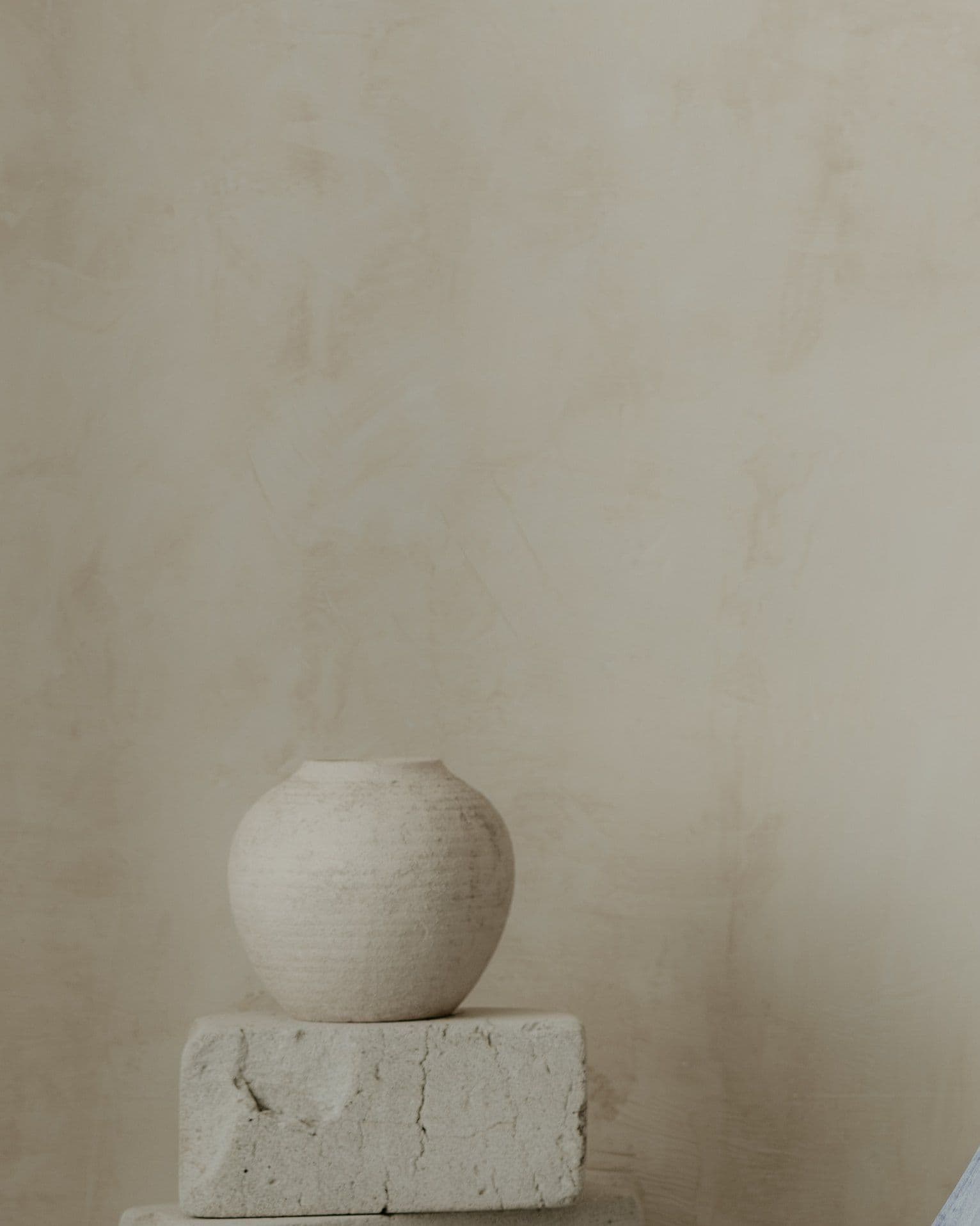
Earth is stability: a low, heavy piece, clay, stone, the spot where people sit for a long time.
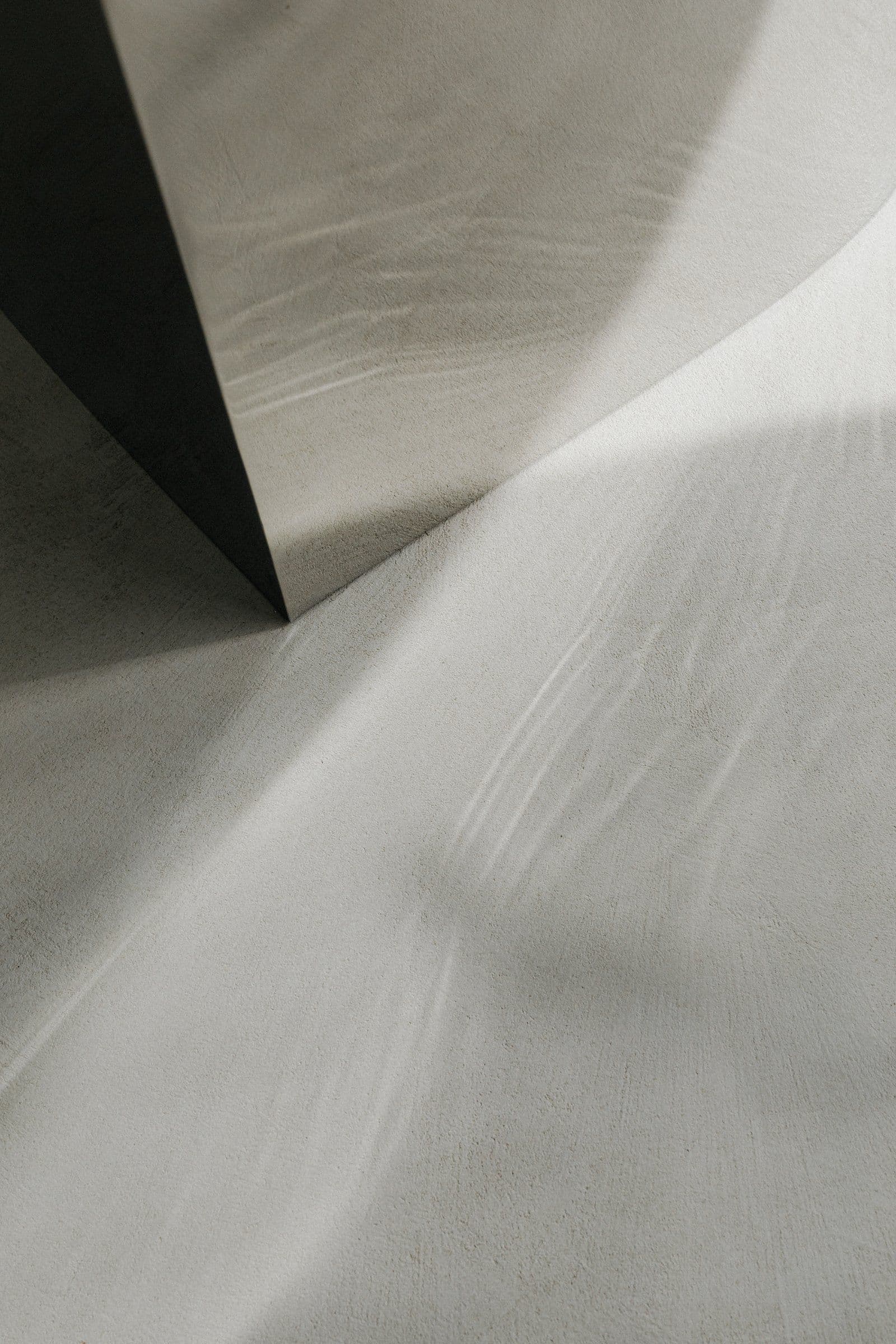
Metal is clarity and edge: a frame, a handle, a round shape, a surface with nothing on it.
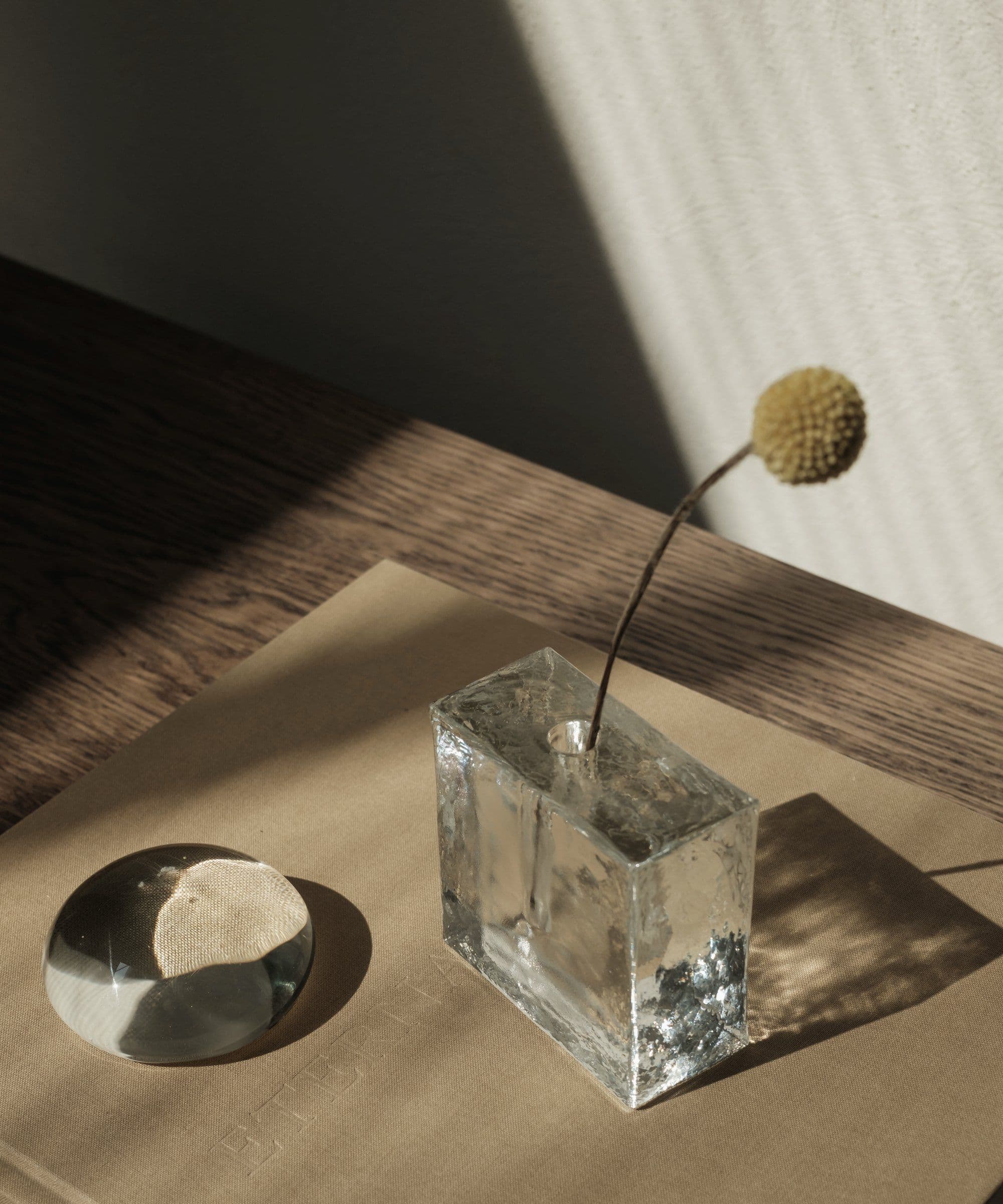
Water is flow and quiet: glass, a dark surface, the place people pass through without stopping.
I start with the floor plan and the compass: where the doors are, where the windows are and how the space stands towards the sun.
I measure position, orientation and location, then check what a floor plan does not show: light, noise and height.
I calculate the elements of everyone who lives or works in the space, because the same room does not suit everyone equally.
I read the space by feng shui principles and compare that with the way it is actually lived in.
Everything I find becomes an intervention, ordered by how much it changes daily life.
A written report: a description of the space, an analysis of its state and the reasoning behind every suggestion.
A list of interventions ordered by priority, from the ones that take a day to the ones that wait for a renovation.
A follow up call a few weeks later, to see what the changes did and to answer what came up along the way.
4 min read
Which patterns belong in the living room, bedroom, home office, bathroom and dining room, and why the same motif does not suit every room.
2 min read
Feng shui as care for the space around us: it matters not only how a home looks, but whether it supports us every day.
How I look at a flat or a house, from the floor plan to the written report, is on the page about working with a home.Your home
When the space is not a home but an office, a practice or a restaurant, this is how I work with a business space.Business spaces
If you would like me to look at your space first, let us start with a short conversation about how you live in it today.